
"underdeveloped countries"
300 article(s) found

Rich sour Bolivian fine coffee beans Manor flavor varieties Introduction
One third of Bolivia's territory is Andean, rugged terrain, mainly road transport, accounting for more than 85 per cent of transport. The main railway and road networks are concentrated in the west, and remote areas rely on air communication. However, road coverage is the lowest in South America. Moreover, there is also the Ronggas Highway, the world's most dangerous road known as the Road of Death. It has no developed economy, it's the poorest in South America.

Bolivian Coffee Flavor description Grinding degree Variety characteristics of producing area introduction of Fine Coffee beans
Bolivia is 1/3 of the Andean mountains, rugged terrain, mainly road transport, accounting for more than 85% of transportation. The main railway and road networks are concentrated in the west, and remote areas rely on air communication. But road coverage is the lowest in South America. And there is also the Ronggas Highway, the world's first insurance road known as the road to death. There is no developed economy here. It is the poorest in South America.

Introduction of Bolivian Coffee Flavor description, Grinding degree, Variety characteristics, Price and taste
In 1932, the Chaco War broke out between Bolivia and Paraguay for oil resources in the North Chaco region. Bolivia was defeated and lost a large area of territory. The people's armed uprising broke out in April 1952, and Paisdensolo, leader of the nationalist revolutionary movement, became president. Since then, there have been frequent military coups and long-term political instability. Modern assets with South American characteristics were restored in October 1983

Introduction to the sour taste of Bolivian coffee with sour fruit and the taste characteristics of varieties.
The overall taste of Bolivian coffee is rich and balanced, the aroma is rich and unique, similar to the mixture of flower and fruit aroma, impressive. The perennial low temperature environment makes the coffee fruit grow slowly, compact enough, the aroma is also charming, the floral aroma is obvious, the acidity is medium and low, but the feeling is not monotonous, on the contrary, it appears soft and fresh, with the sour taste of citrus fruits in the early days.

The Bolivian coffee producing area of Tibica, which produces excellent coffee varieties.
Arabica coffee cannot be grown in cold places above 2000 meters above sea level. if the altitude is too high, coffee trees will frost because the temperature is too low. So Bolivian coffee is mainly grown in the Yungas region northeast of La Paz. It borders the Amazon basin and is about 1500-2500 meters above sea level with an average annual temperature of about 10-15 ℃. Therefore, it ensures the growth of coffee.

Bolivian coffee with rich acidity Growing environment Flavor Taste Manor Introduction
One third of Bolivia's territory is Andean, rugged terrain, mainly road transport, accounting for more than 85 per cent of transport. The main railway and road networks are concentrated in the west, and remote areas rely on air communication. However, road coverage is the lowest in South America. Moreover, there is also the Ronggas Highway, the world's most dangerous road known as the Road of Death. It has no developed economy, it's the poorest in South America.

Bolivia Coffee How to taste Growing environment Producing area Price Flavor Description Introduction
Arabica coffee cannot be grown at altitudes higher than 2000 meters, and if the altitude is too high, the coffee trees will freeze due to the low temperature. Bolivian coffee is mainly grown in the Yungas region northeast of La Paz. Bordering the Amazon River basin, it is about 1500-2500 meters above sea level and has an average annual temperature of about 10-15 ° C. Therefore, coffee growth is guaranteed.

A brief introduction to the coffee flavor and flavor of the snow vein manor in the northeast of La Paz, Bolivia.
We know that Arabica coffee cannot be grown in cold places above 2000 meters above sea level. if the altitude is too high, coffee trees will frost because the temperature is too low. So Bolivian coffee is mainly grown in the Yungas region northeast of La Paz. It borders the Amazon basin and is about 1500-2500 meters above sea level with an average annual temperature of about 10-15 ℃. Therefore, guarantee

Introduction of high-quality coffee beans in Bolivian coffee flavor and taste areas
Bolivia was rescued from independence by Bolivar, a national hero from Caracas, Venezuela, during the War of Independence in Latin America in the 18th century, so the country was named after him. On August 6, 1825, independence from Spain was declared, named the Bolivarian Republic, and later changed to its present name. It formed a federation with Peru in 1836 and collapsed as a result of the Chilean invasion in 1839. one hundred and eighty six

Introduction to the taste of Bolivian boutique coffee beans with rich and unique aroma
Bolivia not only has a unique growing environment, but also has an excellent coffee variety Typica. In the past two hundred years, the main variety of coffee in Yanggas area is the ancient Tibica. Tibica coffee has a balanced and soft flavor, with lively aroma and rich sour taste. Unfortunately, the low production of Tibika and its poor disease resistance make Bolivia's

The export volume of Yunnan coffee beans increases which brand of Yunnan coffee tastes good or cheap
Professional coffee knowledge exchange more coffee bean information please follow the coffee workshop (Wechat official account cafe_style) in addition to the increase in coffee consumption, China's coffee bean exports, but also benefited a lot from Belt and Road Initiative. Not only through the China-Europe train (Chongqing) coffee international freight train, the cumulative transport of more than 400 containers, the total weight of more than 4,000 tons. Originally restricted by Laos, Vietnam and Myanmar

Aroma rich and unique Bolivian coffee grind characteristics Taste flavor description Variety introduction
In 1863, a rich deposit of saltpeter was discovered in Atacama province on the Pacific coast. In 1879 Chile sent troops to occupy Kuangqu, Bolivia and Peru united, and Chile fought the Pacific War. Bolivia lost its defeat in 1883, ceded the Pacific coast rich in saltpeter to Chile in 1904, and Bolivia lost its only coastal province, including the important port of Antofagasta, from

Overall taste rich Bolivian coffee variety characteristics Taste Manor boutique coffee bean flavor medium
Bolivia is a landlocked country in central South America, bordered by Brazil in the northeast, Paraguay in the southeast, Argentina in the south, Chile in the southwest and Peru in the west. The main terrain is plateau. Bolivia is the highest plateau country in the world, with an average altitude of more than 3000 meters. The capital La Paz is 3660 meters above sea level and is known as the highest capital in the world. Three points in Bolivia

Bolivian coffee flavor Bolivian coffee characteristics Bolivian coffee taste
Bolivia is a landlocked country in central South America, bounded by Brazil in the northeast, Paraguay in the southeast, Argentina in the south, Chile in the southwest and Peru in the west. The main topography is the plateau. Bolivia is the highest plateau country in the world, with an average elevation of more than 3000 meters. La Paz, the capital, is as high as 3660 meters above sea level, which is known as the highest capital in the world. Three points in Bolivia

Introduction to the History and Culture of Bolivian Coffee
Following caf é (Wechat official account vdailycom) found that Beautiful Caf é opened its own shop Bolivia is a landlocked country in central South America, bounded by Brazil to the northeast, Paraguay to the southeast, Argentina to the south, Chile to the southwest and Peru to the west. The main topography is the plateau. Bolivia is the highest plateau country in the world, with an average elevation of more than 3000 meters

Introduction of Ted Manor in the Sidamo producing area of Ethiopia in the tropical forest at an altitude of 1600m to 1800m.
Ethiopia (Ethiopia, Ethiopia), latitude 6 to 9 degrees north. Tropical forests ranging from 34 to 40 degrees east longitude, 1600 to 1800 m above sea level. Ethiopia produces between 200000 and 250000 tons of coffee each year. Today, Ethiopia has become one of the largest coffee producers in the world, ranking 14th in the world and fourth in Africa. Essene

Costa Rican Baja and Mozart Coffee Bean Flavor Characteristics Comparison Introduction
Costa RicaCountry of Origin: Costa RicaRegion of Origin: Tarajucante Estate Altitude: 1900m Variety: F1Treatment: Raisin Honey Treatment Roast Degree: Medium Light Roast Recommended by SCA Hand brewed coffee gram weight 15g Coffee powder 90 ° to 91 ° Hot water 225 ml, water powder ratio 1
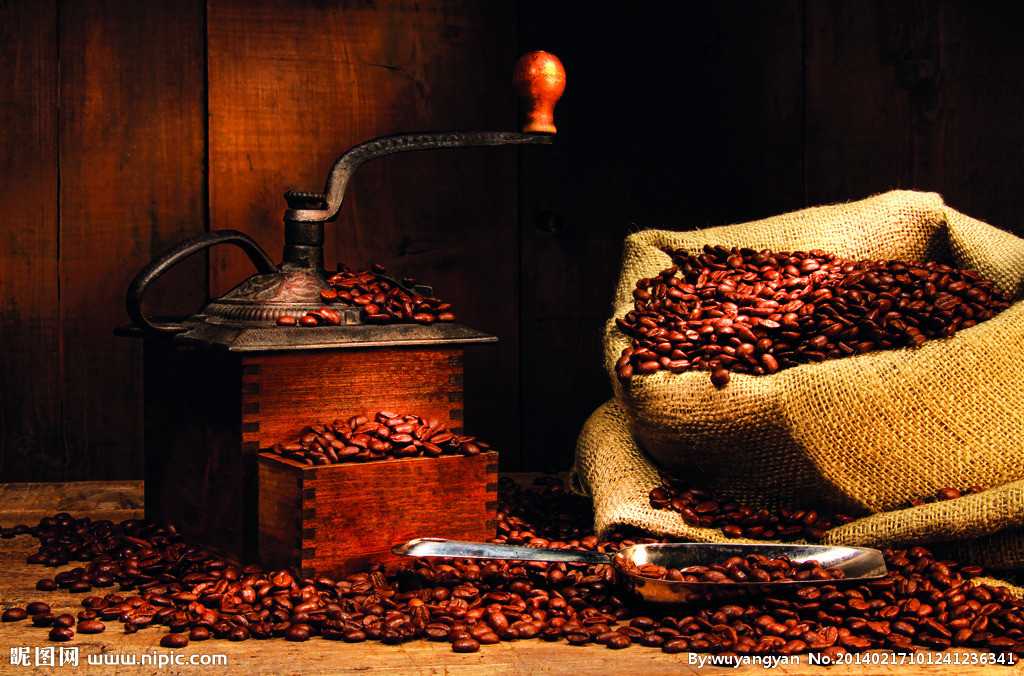
The overall rich taste of Bolivian coffee varieties taste manor boutique coffee bean flavor introduction
Bolivia is a landlocked country in central South America, bounded by Brazil in the northeast, Paraguay in the southeast, Argentina in the south, Chile in the southwest and Peru in the west. The main topography is the plateau. Bolivia is the highest plateau country in the world, with an average elevation of more than 3000 meters. La Paz, the capital, is as high as 3660 meters above sea level, which is known as the highest capital in the world. Three points in Bolivia

Introduction to the description of Flavor of High-quality Coffee in producing area
Bolivia is 1/3 of the Andean mountains, rugged terrain, mainly road transport, accounting for more than 85% of transportation. The main railway and road networks are concentrated in the west, and remote areas rely on air communication. But road coverage is the lowest in South America. And there is also the Ronggas Highway, the world's first insurance road known as the road to death. There is no developed economy here. It is the poorest in South America.

Special report on Ethiopian Sun-dried Guji Coffee | Coffee with lychee flavor
Professional coffee knowledge exchange more coffee bean information please follow the coffee workshop (Wechat official account cafe_style) GUJI NATURAL sunburn Guji country: Ethiopia: Guji altitude: 1800-2100 m treatment: sun treatment varieties: local native species Guji GUJI Guji producing area is a popular producing area in recent years, in the past few years in the flavor display and quality